
Mortellaro's Nursery
Shrubs, trees, ground covers, native plants, and seasonal color
Wholesale Only
Click on any of the alpha indexes below to view the corresponding lists of plants.
The default list is displayed alphabetically by common name for all plant types. You can view the plants by clicking on the Scientific Name or limit the plant type by using the drop down.
Plants actively being grown for the current season are shown -- selecting Discontinued Items will show plants we have offered in the past.
|
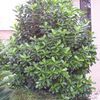
Viburnum, awabukiBotanical Name: Viburnum awabuki 'Chindo'
'Chindo' viburnum, commonly called Awabuki Viburnum, is a broadleaf evergreen shrub prized for its large, glossy leaves and dense, upright habit. It is not a Texas native, but it has proven to be a dependable evergreen screen in much of Central and East Texas where winters are moderate. New growth often emerges with a bronzy-red tint before maturing to deep green, giving the plant seasonal visual interest even when not in bloom. In the Texas landscape, Chindo Viburnum is most often used as a tall privacy hedge, windbreak, or background shrub. It performs best in Central and East Texas and is less reliable in far West or North Texas where prolonged freezes or extreme cold events can cause damage. Mature plants typically reach 15–20 feet tall and 10–15 feet wide, though they can be maintained smaller with pruning. When planted as a hedge, spacing 6–8 feet apart allows plants to fill in while still maintaining airflow. In spring, clusters of small white flowers appear, followed by red berries that mature to black, adding subtle seasonal interest. Chindo Viburnum prefers slightly acidic soils and consistently performs best where soil pH is on the lower side. In alkaline Central Texas soils, it can still grow well but may show iron chlorosis unless soil is amended or chelated iron is applied periodically. Good drainage is important; while it tolerates average moisture, it does not perform well in poorly drained or constantly wet soils. Full sun to part shade is ideal, with some afternoon shade being beneficial during extreme summer heat. Deer tolerance is moderate—not deer-proof, but generally less browsed than many softer-leaved shrubs. The plant is considered non-toxic, though ingestion of berries may cause mild stomach upset. In colder winters, young Chindo Viburnum plants benefit from protection during hard freezes, especially when temperatures drop below the mid-teens. Mulching the root zone helps insulate roots, and avoiding late-season fertilization reduces tender growth going into winter. Established plants are more cold-tolerant and typically recover well from minor freeze damage in spring.
[ More Info ]
|
|
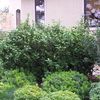
Viburnum, SuspensumBotanical Name: Viburnum suspensum
Viburnum suspensum, or Sandankwa Viburnum, is a dense evergreen shrub widely used in Texas landscapes for hedging and screening. Native to parts of East Asia, it has adapted well to warmer regions of the state and is valued for its thick, leathery dark green leaves and naturally full growth habit. Its clean, uniform look makes it a staple in both residential and commercial landscapes. In Central and South Texas, Viburnum Suspensum performs best in full sun to part shade. It prefers slightly acidic soils but will tolerate neutral to mildly alkaline soils if drainage is good. Poor drainage or heavy, waterlogged soils should be avoided, as they can lead to root issues. Once established, it has moderate drought tolerance, though it looks best with consistent deep watering during extended dry periods. Afternoon sun is generally well tolerated, especially with adequate soil moisture. This Viburnum is most commonly used as a privacy hedge, screen, or large foundation shrub, and it responds very well to pruning and shearing. Mature plants typically reach 10–15 feet tall and wide, but they can be maintained at a smaller size with regular trimming. Spacing for hedges is usually 4–6 feet apart for a dense, continuous screen. In spring, it produces clusters of small white flowers that are lightly fragrant and attractive to pollinators. It is considered moderately deer tolerant. The foliage and berries of Viburnum Suspensum are considered mildly toxic if ingested, particularly to pets or livestock, though issues are uncommon in managed landscapes. Cold hardiness is generally reliable in Central and South Texas, but plants may experience leaf burn during hard freezes, especially when young. Planting in protected locations and avoiding late-season fertilization can help reduce winter damage. [ More Info ]
|
|
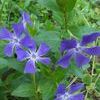
Vinca MajorBotanical Name: Vinca major
Vinca Major (Greater Periwinkle, Large Periwinkle, or Blue Buttons) is a widely used ground cover that, while not native to Texas, has become a popular choice for landscapes due to its vigorous spreading habit and adaptability. It features glossy green leaves and produces beautiful violet-blue flowers primarily in spring, with occasional blooms throughout the year in mild climates. It is ideal for erosion control, shady areas, and as a filler beneath trees and shrubs where turfgrass struggles. This plant thrives in partial to full shade and prefers moist, well-draining soil, though it is quite tolerant of drought once established. Vinca Major can adapt to a range of soil types, including both acidic and alkaline conditions. While it is generally not favored by deer, it is mildly toxic if ingested, making it important to consider for gardens with pets or small children. Vinca Major grows quickly, forming a dense, spreading mat that reaches about 6 to 12 inches in height. When planting for ground coverage, space plants 12 to 18 inches apart to ensure even growth. It can be aggressive in some areas, so occasional trimming may be necessary to maintain boundaries. This plant is evergreen in warmer regions of Texas but may experience some dieback in colder winters. It is hardy to USDA zones 6-10. In areas prone to frost, a layer of mulch can help protect the roots and encourage quicker regrowth in spring. [ More Info ]
|
|
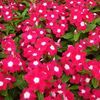
Vinca PeriwinkleBotanical Name: Catharanthus roseus
2026
[ More Info ]
|
|
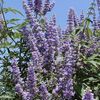
Vitex, Chaste TreeBotanical Name: Vitex agnus-castus
Vitex or Chaste Tree, is a deciduous large shrub or small tree widely used across Texas for its heat tolerance and long summer bloom season. Though not a Texas native, it has proven exceptionally well adapted to Texas conditions and is especially valued for providing color during the hottest months when many other plants stop flowering. Its airy structure and aromatic foliage give it a light, informal appearance in the landscape. Vitex thrives in full sun and performs best in well-drained soils, including the alkaline soils common throughout much of Texas. It is highly drought tolerant once established and does not tolerate consistently wet or poorly drained sites. Afternoon heat is not an issue for this plant; in fact, strong sun encourages better flowering and sturdier growth. It is well suited for Central, South, and much of North Texas. This plant is commonly used as a small shade tree, multi-trunk specimen, or large screening shrub. Mature size typically ranges from 15–25 feet tall and wide, depending on pruning and growing conditions. Vitex blooms from late spring through summer, producing showy spikes of lavender to purple flowers that are highly attractive to bees and other pollinators. It is considered deer tolerant and is generally regarded as non-toxic in the landscape. Vitex is very forgiving when it comes to winter care and pruning. It can be left to grow naturally or cut back hard in late winter to maintain a more compact, shrub-like form and encourage vigorous new growth and flowering. It is fully cold hardy through most of Texas, and winter dieback, if it occurs, is usually followed by strong regrowth in spring. This plant is commonly used as a small shade tree, multi-trunk specimen, or large screening shrub. Mature size typically ranges from 15–25 feet tall and wide, depending on pruning and growing conditions. Vitex blooms from late spring through summer, producing showy spikes of lavender to purple flowers that are highly attractive to bees and other pollinators. It is considered deer tolerant and is generally regarded as non-toxic in the landscape. Vitex is very forgiving when it comes to winter care and pruning. It can be left to grow naturally or cut back hard in late winter to maintain a more compact, shrub-like form and encourage vigorous new growth and flowering. It is fully cold hardy through most of Texas, and winter dieback, if it occurs, is usually followed by strong regrowth in spring. [ More Info ]
|
|
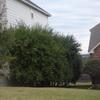
XylosmaBotanical Name: Xylosma congestum
Shiny Xylosma is a fast-growing evergreen shrub native to southern China and Southeast Asia. It is widely used in Texas landscapes for its dense habit and glossy, dark green foliage, which gives it a clean, polished look year-round. While it is not a Texas native, it has proven to be a reliable structural shrub in warmer regions of the state. In Central and South Texas, Shiny Xylosma performs best in full sun to part shade, with some protection from intense afternoon sun in hotter locations. It adapts to a wide range of soil types, including alkaline soils common in Texas, as long as drainage is adequate. Once established, it has good drought tolerance, though regular irrigation helps maintain fuller growth and better color. Poor drainage or prolonged wet conditions should be avoided. Xylosma is most often used as a clipped hedge, screen, or informal barrier, and it responds extremely well to pruning. Mature plants typically reach 10–15 feet tall and wide, but can be kept much smaller with routine shearing. Spacing for hedges is generally 4–5 feet apart for a dense, uniform screen. Deer tend to avoid Xylosma, making it a good option in areas with browsing pressure. The plant has small spines along its branches, which also make it effective as a deterrent hedge. The foliage and berries of Shiny Xylosma are considered mildly toxic if ingested, particularly to pets or livestock. While issues are uncommon in managed landscapes, it should be planted thoughtfully in areas where animals may have access. Xylosma is cold hardy into the low 20s, but young plants may experience leaf burn during hard freezes. Temporary cover and planting in protected locations can help reduce winter damage in colder parts of Central Texas. [ More Info ]
|
|
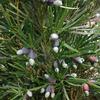
Yew, JapaneseBotanical Name: Podocarpus macrophyllus
Podocarpus macrophyllus, commonly called Japanese Yew, is an evergreen shrub or small tree native to East Asia and widely used in southern landscapes for its clean, refined appearance. It is not a true yew, but it fills a similar role with narrow, dark green leaves that give it a soft, almost pine-like texture without being coarse. In warmer parts of Texas, it is valued as a long-lived structural plant that brings a more formal look to the landscape. In Central and South Texas, Podocarpus performs best in protected locations with well-drained soils. It prefers slightly acidic to neutral soils but can tolerate mildly alkaline conditions if drainage is good. Poor drainage or consistently wet soils will lead to decline. It grows best in part sun to part shade, especially with protection from harsh afternoon sun, though it can handle full sun in more sheltered locations. Once established, it has moderate drought tolerance but looks best with regular deep watering. Podocarpus macrophyllus contains toxic compounds in its foliage and seeds if ingested, particularly affecting pets and livestock. While it is not typically problematic in managed landscapes, it should be used with caution in areas where animals may browse. It is considered deer tolerant, as deer generally avoid feeding on it. This plant is most commonly used as a tall hedge, privacy screen, or vertical accent, and it responds very well to pruning and shearing. It can be maintained as a narrow column, dense hedge, or allowed to grow more naturally into a small tree form. Mature size in Texas landscapes typically ranges from 15–25 feet tall and 6–10 feet wide, depending on pruning and growing conditions. Spacing for hedges is usually 4–6 feet apart for a dense screen. [ More Info ]
|
|
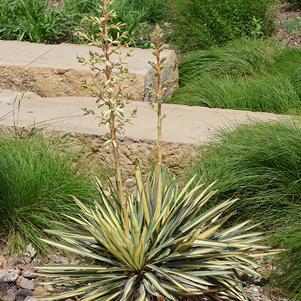
Yucca, Adam's Needle Leaf (Variegated)Botanical Name: Yucca filamentosa 'Variegata'
[ More Info ]
|
|
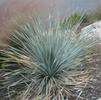
Yucca, Blue SotolBotanical Name: Dasylirion wheeleri
Blue Sotol (Dasylirion wheeleri), also known as Desert Spoon, is a striking plant native to the southwestern U.S. and northern Mexico – but not Texas. It forms a symmetrical rosette of slender, bluish-gray leaves with serrated edges, giving it a more dramatic, icy appearance compared to the green Dasylirion texanum. The stiff, arching leaves are topped with tall flower spikes in summer, attracting pollinators. This species thrives in well-draining, rocky soils and is highly drought tolerant, making it an excellent choice for arid landscapes, rock gardens, and desert-style plantings. Compared to Texas Sotol (Dasylirion texanum), Dasylirion wheeleri has a more pronounced blue-gray coloration and a slightly wider, more rigid leaf structure. While both species are heat and drought tolerant, D. wheeleri is more cold hardy, capable of withstanding temperatures down to USDA Zone 7. However, it is slightly slower growing than D. texanum and prefers drier conditions, making it better suited for West Texas and desert regions rather than humid areas. For best performance, plant Blue Sotol in full sun with well-drained soil, as it does not tolerate poor drainage. It will grow 3 to 4 feet tall and 4 to 6 feet wide, and if you plant a group then space them at least 4 to 6 feet apart to allow for their mature spread. While largely pest-free, occasional trimming of older leaves helps maintain its architectural form. [ More Info ]
|
|
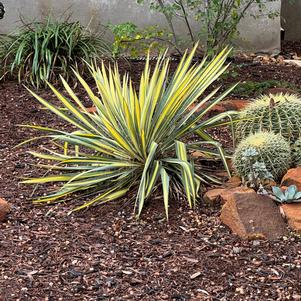
Yucca, Color GuardBotanical Name: Yucca filamentosa 'Color Guard'
Yucca 'Color Guard' is a vibrant, low-maintenance plant ideal for Texas landscapes. As a variegated cultivar of Adam's Needle (Yucca filamentosa), it stands out with sword-like leaves that feature striking yellow centers and green edges, unlike the solid green foliage of the species. This evergreen perennial adds year-round visual interest, growing to about 3-4 feet tall and wide. Adaptable and hardy, it thrives in full sun to partial shade, tolerates poor soils, and prefers alkaline, well-draining conditions common in many parts of Texas. In summer, 'Color Guard' produces dramatic flower spikes that rise 4-6 feet tall, adorned with creamy white, fragrant, bell-shaped blooms that attract pollinators like bees and butterflies. Its drought tolerance, deer resistance, and pest-free nature make it a reliable and low-maintenance option for Texas gardeners. Whether used in xeriscapes, borders, or rock gardens, its vibrant foliage provides a striking contrast to other plants, even during the winter months. This versatile yucca pairs beautifully with other drought-tolerant plants like agave, sedum, and ornamental grasses. It works well in both modern and traditional landscape designs, whether as a focal point or part of a mass planting. Combining resilience with striking aesthetics, Yucca 'Color Guard' is a standout choice for enhancing Texas landscapes. [ More Info ]
|
|
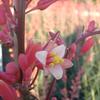
Yucca, RedBotanical Name: Hesperaloe parviflora
Despite its common name, Red Yucca (Hesperaloe parviflora) is not a true yucca but shares similar drought-tolerant characteristics. This Texas native is prized for its striking, arching foliage and tall flower spikes that produce coral-red, tubular blooms from spring through fall. These flowers are a favorite among hummingbirds and other pollinators. The plant’s evergreen, grass-like leaves have a fine texture and develop a slight curl along the edges, making it a visually interesting choice for xeriscapes, rock gardens, and mass plantings. Red Yucca is highly adaptable to Texas landscapes, tolerating extreme heat, drought, and poor soils. It thrives in full sun but can also perform well in part sun, though flowering may be reduced. It prefers well-draining soil and handles both rocky and sandy conditions with ease. While it is deer-resistant, occasional browsing may occur, especially in times of drought. This plant is also well-suited for use in borders, container plantings, and as an accent piece in desert or southwestern-style gardens. Compared to true yuccas like Yucca rostrata or Yucca recurvifolia, Red Yucca grows 2 to 3 feet tall, 3 to 4 feet wide. The bloom stalks will reach up to 5 feet. Plant them 3 to 4 feet apart to avoid crowding. Red Yucca has a softer appearance due to its finer foliage and more flexible leaves. Unlike many yuccas, it does not develop a tall trunk and instead forms a dense, clumping rosette. Its flowers also differ in shape, being slender and tubular, whereas most yuccas produce broader, bell-shaped blooms. While Dasylirion species (Sotols) share some similarities in leaf structure, Red Yucca’s flowering habit and overall growth form set it apart in the landscape. Red Yucca is highly cold-hardy, tolerating temperatures down to USDA Zone 5, making it an excellent choice for nearly all of Texas. It requires minimal winter care, though in extreme cold, mulching around the base can provide additional root protection. It does not require pruning, but spent flower stalks can be trimmed back in late winter to encourage fresh growth. [ More Info ]
|
|
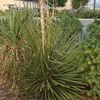
Yucca, SotolBotanical Name: Dasylirion texanum
Yucca Sotol, or Texas Sotol, is a hardy, drought-tolerant plant native to Texas and northern Mexico. This evergreen species forms a rosette of narrow, spiny-edged blue-green leaves that radiate symmetrically from a central trunk. Over time, it develops a short, woody base, adding a sculptural quality to the landscape. It thrives in full sun and well-drained, rocky, or sandy soils, making it an excellent choice for xeriscaping, desert gardens, and low-maintenance landscapes. In the summer, mature plants produce tall flower spikes that can reach up to 15 feet, covered in small, creamy-white blooms that attract pollinators such as bees and butterflies. Sotol itself can grow 3 to 4 feet tall and 4 to 6 feet wide. Not often planted together, but if one does, plant 4 to 6 feet apart. Texas Sotol is often used as a striking focal point, as a container specimen, or in mass plantings for a dramatic effect. Its tough, deer-resistant foliage ensures that it remains intact even in areas with heavy browsing pressure. Compared to its close relative, Dasylirion wheeleri (Blue Sotol), Texas Sotol has narrower leaves and a more compact form. While both species tolerate extreme heat and poor soil, Texas Sotol tends to be more cold-hardy and adaptable to various soil types, including limestone-based soils that are common in Texas. Its ability to withstand periods of heavy rain makes it a more resilient choice for regions that experience occasional flooding. Texas Sotol is highly cold-tolerant, withstanding temperatures down to 0°F once established. In areas prone to extreme winter freezes, providing well-draining soil is crucial to prevent root rot. It requires minimal care in winter, with no need for covering or extra protection. Pruning dead leaves or spent flower stalks in early spring can help maintain a clean appearance.
[ More Info ]
|
|
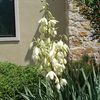
Yucca, WeepingBotanical Name: Yucca recurvifolia
Yucca recurvifolia, commonly known as Weeping Yucca or Soft Leaf Yucca, is a striking evergreen prized for its architectural form and adaptability to Texas landscapes. It features long, blue-green leaves that arch gracefully, giving it a softer appearance compared to other yuccas. This species is well-suited for xeriscaping, thriving in full sun to partial shade and tolerating a range of well-drained soils, from sandy to loamy. It is highly drought-tolerant once established and prefers neutral to slightly alkaline soils. One notable characteristic of the Weeping Yucca that we cultivate from root stock is its tendency to develop a more weeping leaf habit earlier in its lifespan compared to other specimens. This distinct trait enhances its ornamental appeal, making it an excellent choice for focal points in the landscape. In late spring to summer, mature plants may produce tall flower spikes adorned with creamy-white, bell-shaped blooms, which attract pollinators, including moths and hummingbirds. Unlike some yuccas that primarily propagate via offsets, Weeping Yucca can also produce seeds, though this is uncommon. Successful seed production requires pollination by specific yucca moths, which are not always present outside the plant’s native range. Due to this, commercial propagation and cultivation are typically done through root divisions or offsets rather than relying on seeds. The mature size typically reaches 4 to 6 feet in height with a similar spread. When planting for spacing, allow at least 3 to 4 feet between plants to accommodate their growth. It works well in mixed desert gardens, rock gardens, or as a specimen plant. Additionally, its fibrous leaves and tough structure make it deer-resistant, though caution should be taken as the leaf edges can be sharp. Although hardy to USDA zones 7–10, Weeping Yucca benefits from some winter protection in the colder parts of its range. It can tolerate brief cold snaps but may experience leaf damage in prolonged freezing conditions. Applying mulch around the base can help insulate the roots, and in extreme cold, wrapping the plant or providing overhead frost protection may be beneficial. [ More Info ]
|
|
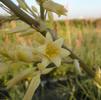
Yucca, Yellow BloomingBotanical Name: Hesperaloe parviflora
The Yellow-Flowering Red Yucca (Hesperaloe parviflora 'Yellow') is a rare color variant of the traditional Red Yucca, offering the same tough, drought-tolerant qualities but with striking yellow blooms instead of red. Just like its red-flowered counterpart, it thrives in full sun and well-drained soils, making it an excellent choice for Texas landscapes. This evergreen shrub forms an attractive clump of arching, blue-green foliage, and in warmer months, it sends up tall, 5-foot flower spikes that attract hummingbirds and pollinators. This yellow-blooming selection retains the same hardy, low-maintenance characteristics as the standard Red Yucca, tolerating heat, drought, and poor soils, as well as being highly deer-resistant. It grows to about 2 to 3 feet tall and spreads 3 to 4 feet wide, making it ideal for xeriscaping, rock gardens, and mass plantings. It prefers alkaline to neutral soils and thrives in USDA Zones 5-11. To preserve the purity of this yellow-blooming form, we have isolated these plants in a separate growing facility to prevent cross-pollination with traditional red-flowered Red Yucca. This ensures that they maintain their distinctive yellow color for future plantings. For mass plantings, space them 3 to 4 feet apart for best results. [ More Info ]
|
|
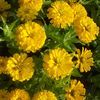
ZinniaBotanical Name: Zinnia elegans
Zinnia Dreamland Mix (Zinnia elegans) is a heat-tolerant, compact annual known for its large, double blooms in vibrant shades of pink, red, yellow, and orange. This variety is a standout choice for seasonal flower beds, borders, and container plantings, bringing continuous color from spring through frost. Unlike taller zinnias, the Dreamland Mix features short, sturdy stems that make it more resistant to wind and rain, making it an excellent choice for Texas gardens. Zinnias thrive in full sun and well-draining soil, preferring neutral to slightly acidic conditions. They are highly drought tolerant once established but benefit from regular watering to encourage extended blooming. Resistant to most pests and diseases, zinnias are also deer-resistant and attract butterflies, bees, and other pollinators. Dreamland Zinnias grow to a mature height of 10-14 inches with a spread of 8-12 inches, making them ideal for mass plantings, edging, and mixed flower beds. When planting in groups, space plants 8-12 inches apart for best coverage and airflow. Compared to other zinnia varieties, Dreamland Mix is bred for uniform growth and compact size, ensuring a well-balanced landscape display. In USDA Zones 9-11, zinnias can reseed and return the following year, though they are commonly treated as annuals in Texas gardens. Deadheading spent flowers encourages continuous blooming, extending their display deep into the season. These flowers thrive in hot, dry conditions, making them one of the best choices for Texas landscapes. 2026 Cultivars : The Dreamland Mix [ More Info ]
|
